
"Monsoon Malabar"
80 article(s) found

Indian Monsoon Malabar AA Monsooned Malabar AA Coffee Flavor Taste Aroma Description
Professional barista communication Please pay attention to Coffee Workshop (Weixin Official Accounts 2133 Wind-stained Malabar [Indian Monsoon Malabar AA]* Commodity introduction: The slow speed of early maritime transportation This Indian coffee bean was blown by humid sea wind during the long-term shipping process to Europe, resulting in the flavor and appearance of the bean.

Boutique coffee beans Coffee species Monsoon Malaba (Monsooned Malabar)
Monsoon Malaba, also known as wind-stained Malaba, is a characteristic coffee in India, with yellow and white color, fat bean shape, very low acidity, very thick viscosity, syrup-like taste, nutty and cereal flavors with a hint of spicy and chocolate aromas and unique dusty flavors. In the 17th and 18th centuries, India shipped coffee beans to Europe by sailboat, which took six months and raw beans.

Monsoon Malabar coffee has a heavy texture and a faint bitter taste, as well as a weak sour taste.
In BC, raw coffee beans produced in India entered England through the Suez Canal in Egypt. At that time, Indian coffee raw beans were loaded on the floor of the cargo warehouse of the cargo ship. due to the long sailing time of the ship, the raw beans fermented naturally in the cargo warehouse with high temperature and humidity. After arriving in Europe, fermented Indian coffee beans are consumed by Europeans who cannot recognize the difference. Later, Europe
Boutique coffee-monsoon Malaba (Monsooned Malabar)
Monsoon Malaba, also known as wind-stained Malaba, is a characteristic coffee in India, with yellow and white color, fat bean shape, very low acidity, very thick viscosity, syrup-like taste, nutty and cereal flavors with a hint of spicy and chocolate aromas and unique dusty flavors. In the 17th and 18th centuries, India shipped coffee beans to Europe by sailboat, which took six months and raw beans.
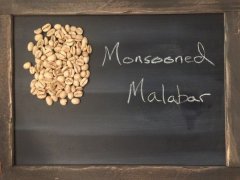
Indian monsoon beans | weathered beans Monsooned Malabar Malabar coffee beans
The exchange of professional baristas please follow the coffee workshop (official Wechat account cafe_style) about Malabar soy Malabar coffee, which has been favored by Europeans since the 17th century. This kind of wind-stained coffee is a new flavor created inadvertently. In the 17th and 18th centuries, India shipped coffee beans to Europe by sailboat, which took six months and raw beans.

Indian Coffee Brand | Calendar of Indian monsoon coffee [wind-stained Malaba Monsoon Malabar]
Professional coffee knowledge exchange more coffee bean information please follow the coffee workshop (Wechat official account cafe_style) Indian coffee brand | Indian monsoon coffee [wind-stained Malaba Monsoon Malabar] history? How to cook it properly? The so-called monsoon Malaba, as its name implies, is actually blown out by the wind. It is said that there would have been this strange thing that is now popular in Europe at the beginning.
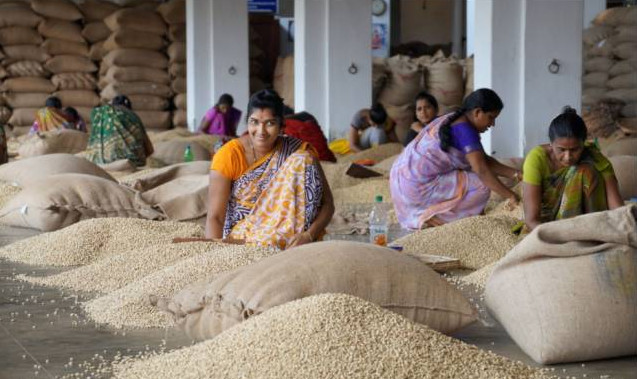
Indian Monsoon Coffee Malabar| Unique monsoon treatment, origin of wind-stained malaba
Monsooned Malabar Country: Southern IndiaRegion: Southern India Malabar Coast Altitude: 1100-1200 m Variety: Kents, S795, Catimor, selection 9 Treatment: Wind-stained Sunlight Treatment 01 Introduction Coffee was brought in by pilgrims as early as the 16th century to establish the first coffee farms. You might not imagine

Characteristics of wind-stained coffee in Malabar, India
For more information on coffee beans, please follow the coffee workshop (official account cafe_style of Wechat). When it comes to Asian coffee, most people will first think of Indonesian gold Manning or Toraya, or Vietnamese coffee or Lao coffee, as well as recently rammed up Taiwan coffee, China Yunnan coffee and so on. Indian coffee has a long history, and it also has a long history.
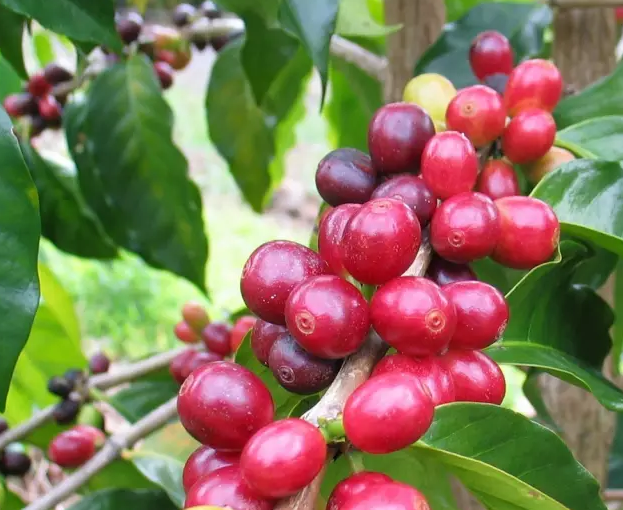
Indian Malabar style-stained coffee describes in detail how to maintain the effect of production methods on flavor.
When it comes to Asian coffee, most people will first think of Indonesian gold Manning and Toraya, or Vietnamese coffee or Liaoguo coffee, as well as recently developed coffee from Taiwan and Yunnan in China. Indian coffee has a long history, and it is also the first country in Asia to grow coffee. It has always had a place in the coffee world.

Flavor characteristics of wind-stained coffee in Malabar, India introduction to the treatment process of wind-stained coffee beans
Professional baristas Please follow the Coffee Workshop (official Wechat account cafe_style) when it comes to Asian coffee, most people will first think of Indonesian gold Manning or Toraya, or Vietnamese coffee or Lao coffee, as well as recently rammed up Taiwan coffee, China Yunnan coffee and so on. Indian coffee has a long history, and it is the first coffee grower in Asia.

India Monsooned Malabar A Coffee Bean_How about Indian Coffee
Professional coffee knowledge exchange More coffee bean information Please pay attention to coffee workshop (Weixin Official Accounts cafe_style) In fact, India is still a country rich in coffee beans. About 250,000 people in the country grow this economic product. Coffee is suitable for growing in a warm environment. The Tropic of Cancer is called coffee belt, but it is afraid that high temperature will destroy the characteristics of beans, so most of them are planted in high altitude areas.

Strange coffee with wheat flavor: Malabar style-stained coffee in India
When it comes to Asian coffee, most people will first think of Indonesian gold Manning and Toraya, or Vietnamese coffee or Lao coffee, as well as Taiwan coffee and Yunnan coffee, which have been rammed up recently. Indian coffee has a long history, and it is also the first country in Asia to grow coffee. It has always had a place in the coffee world.

How to drink Indian coffee with a long history? Introduction to the characteristics of Indian style-stained Malabar Coffee
India is the oldest coffee producer in Asia. Although Indian coffee did not flourish until it was colonized by the British in the 19th century, it had a history of about two hundred years before that. In 1870, due to the influence of leaf rust and the high demand for tea in the market, many farms capable of producing high-quality coffee changed to grow tea one after another, which greatly affected the coffee industry in India.

Introduction to the flavor characteristics of Indian coffee brand Monsooned Malabar wind-stained Malaba coffee story
Professional coffee knowledge exchange more coffee bean information Please pay attention to the coffee workshop (Wechat official account cafe_style) there are few Indian coffee brands, usually only two: wind-stained Malaba and Masojin bricks. The raw beans of the wind-stained Malaba are dry, yellow and sweet, but a bit monotonous because they are shipped after being placed in a ventilated warehouse to be caressed by the Indian Ocean monsoon for several seasons.

Indonesian mantenin coffee bean type aged coffee bean production method can drink it? monsoon treatment
When most people hear Indonesian coffee, they first think of mantelin. But you know what? There are also many types of coffee beans. The mantnings on Front Street include gold mantnings, tiger mantnings, and aged mantnings. Let's introduce them to you one by one! Let's begin by introducing you to aged mantinin. He's usually translated as Old Sumatra.

Flavor characteristics of Indian monsoon Malaba coffee monsoon treatment of coffee beans
Background of Malaba in India in the 17th century a Muslim named BABA BUDAM made a pilgrimage to Mecca and brought coffee tree seeds back to India. He planted the seeds near his hut in mysore. In 1840, the British began to plan to grow coffee in South India. Karnataka, located in the southwest of malabar, India, is a major producer.
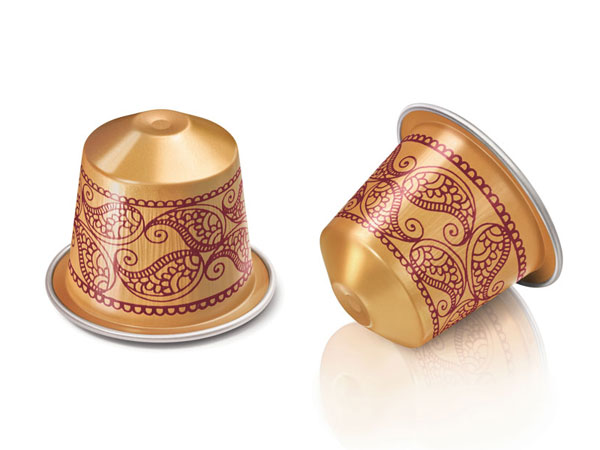
Nespresso new limited edition Malaba monsoon coffee capsule
Committed to bringing an extraordinary coffee experience to coffee lovers around the world, Nespresso continues to bring forth the new, presenting the much-anticipated limited edition selected coffee capsules, and continues to create surprises for Nespresso club members and coffee lovers to experience unparalleled cups in a new aroma and taste. New limited edition Malaba monsoon (Monsoon Malabar)

Do you grow coffee beans in India? India's wind-stained Malabar coffee characteristics, environment and climate
Professional coffee knowledge exchange more coffee bean information please follow coffee workshop (Wechat official account cafe_style) India's main coffee-growing areas India's coffee industry is currently dominated by southern India, Karnataka, Kerala and Tamil Nadu together account for more than 90% of the country's coffee production; at present, about 250000 people in India grow coffee beans, and

What is Indian monsoon coffee? What are the flavor characteristics of Indian-style Malaba coffee?
Professional coffee knowledge exchange more coffee bean information Please follow the coffee workshop (Wechat official account cafe_style) it is said that a long time ago, when raw coffee beans were shipped from India to Europe, changes were caused by high temperatures and moisture in the Indian Ocean, and this is where "wind stains" came from. In addition to the expansion and enlargement of the size of the raw beans after wind-soaked, the color of the raw beans is also changed from green to green.

Introduction to the Malaba coffee producing area in Rwanda
The inspiration story for the new limited edition premium coffee dates back more than 300 years, when coffee beans grown in South India were loaded onto British East India Company wooden sailboats and shipped to Europe. Sailing around the Cape of Good Hope in southwest Africa begins a six-month voyage where unique humidity and tropical sea breezes swell coffee beans, giving them a unique aroma and special character